

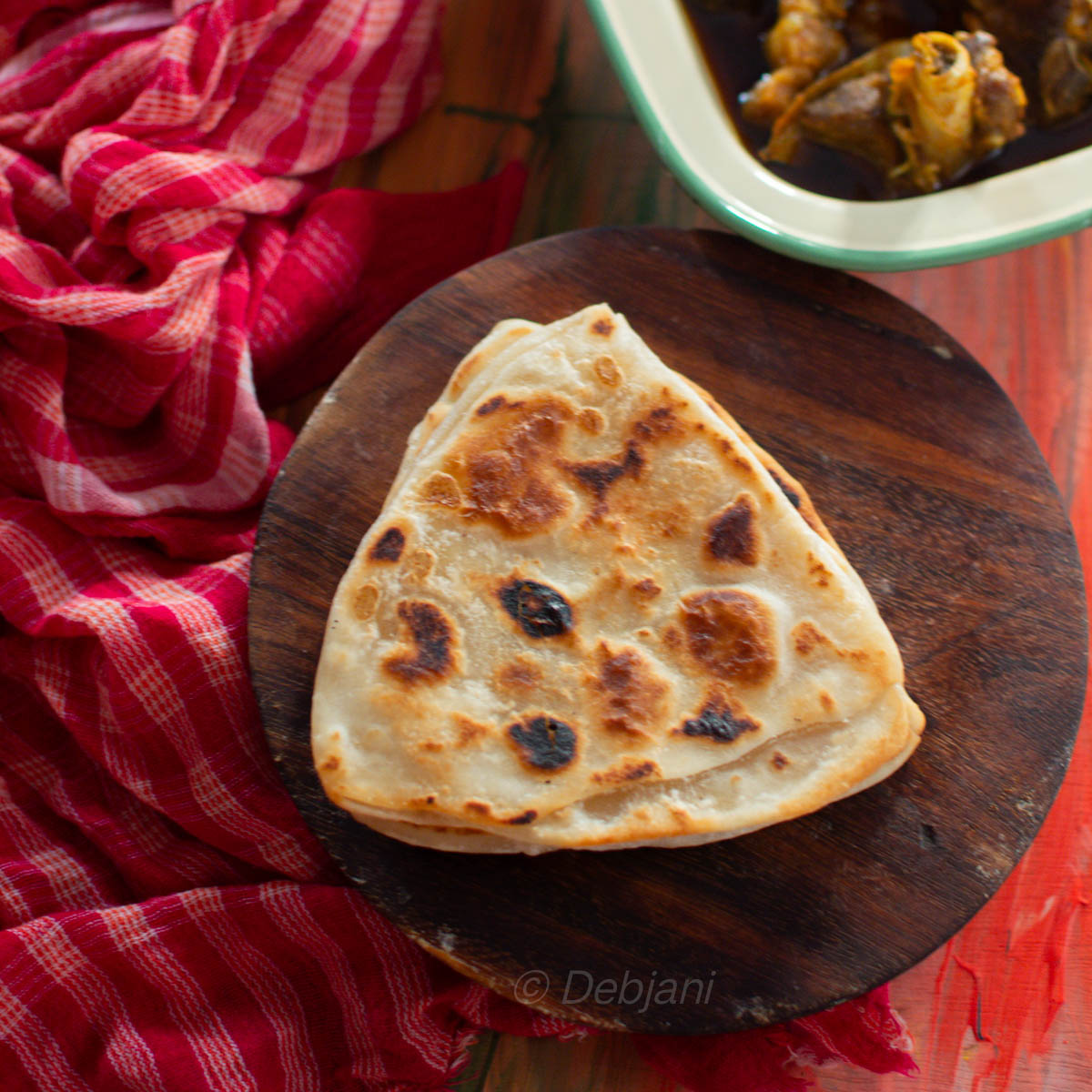
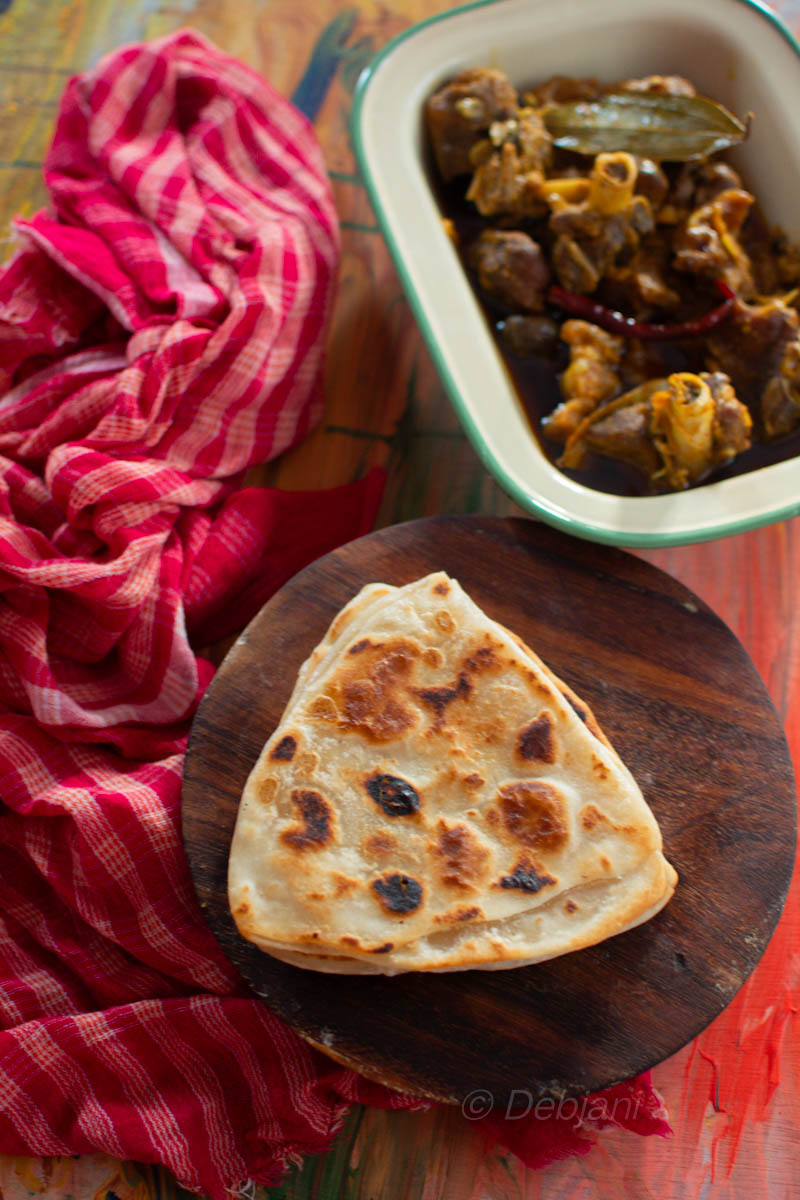
Tinkona Porota is a classic Bengali triangular flatbread made with all-purpose flour, or Maida, as we Bengalis call it. This isn't your usual Indian paratha made with whole wheat flour; it's a signature dish for us. Let's learn how to create this perfect Bengali porota, which is wonderfully crispy, soft, and beautifully layered.
Jump to:
- Debjani's Note
- Bengali Tinkona Porota - an emotion
- Ingredients needed for Bengali Trikon Porota
- How to make Bengali Tinkona Paratha / Porota - Steps
- Top tip
- Frequently Asked Questions
- Related Recipes
- Pairing Tinkona Porota
- Recipe Card
- Substitution & Variations
- Have you tried the Bengali Tinkona Porota recipe from Debjanir Rannaghar!
- Here's the Bengali Triangular Paratha / Trikon Porota recipe Pin for your Pinterest Board
Debjani's Note
I initially wondered if sharing this recipe was necessary, as everyone seems to know how to make a typical Bengali Tinkona Porota. However, I then remembered a time when I wasn't sure about the right amount of oil for the "moyan" (fat rubbed into flour) or how to achieve those lovely layers and crispiness. I used to admire my mother's effortless way of making beautiful triangular porotas.
Bengali Tinkona Porota - an emotion
Beyond the recipe, there's a strong emotional connection. A typical Bengali Tekona Porota isn't your everyday Indian flatbread made with atta (whole wheat flour). In Bengali homes, porota is a special treat, not something we eat regularly. It's made from maida (all-purpose flour) and oil or ghee. Back in the late 90s and early 2000s, when I was in school, calories weren't a big concern, so having porota in my tiffin box was quite common along with Aloo Bhaja or Aloo Chorchori.
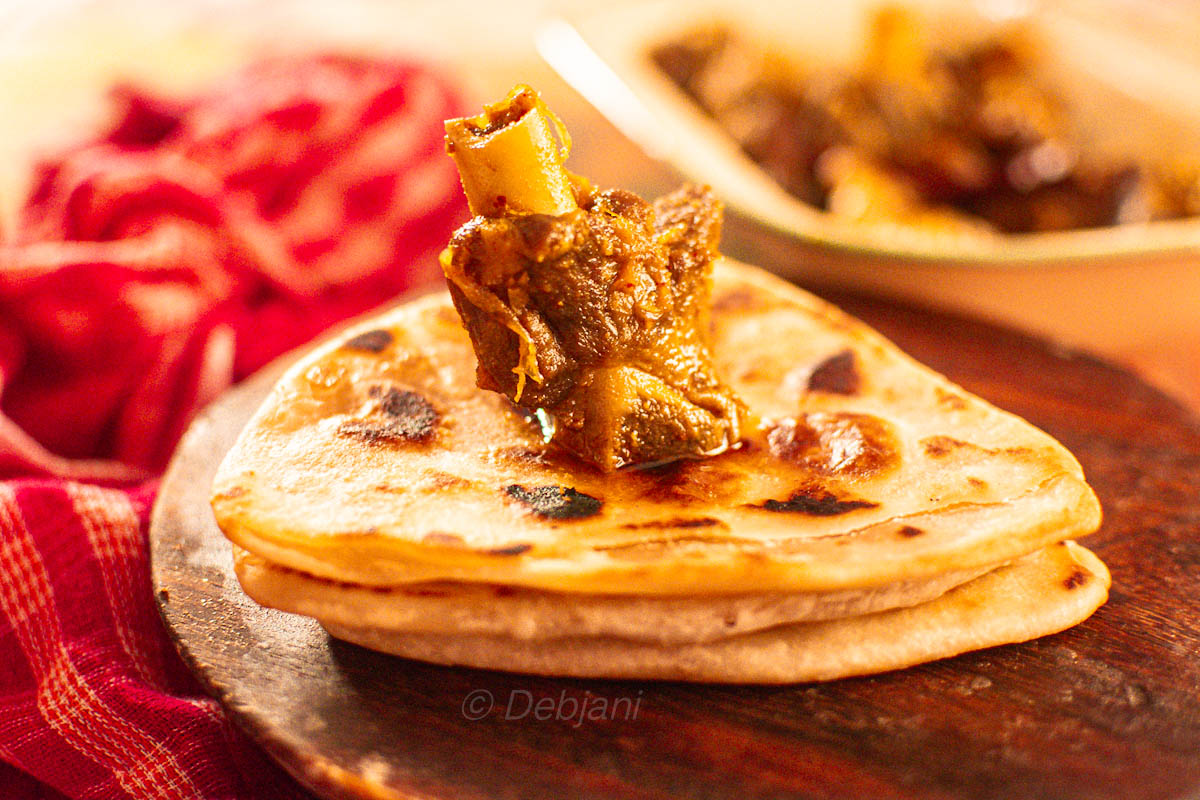
Once a week, or if we were lucky, for Sunday breakfast instead of Ruti-Torkari, Bread-butter, luchi, or Bengali holud Chowmien, we'd have it. In our home, however, if we were having kosha mangsho or dimer dalna for dinner, we would always have porota. Or sometimes, on the days of Broto (fasting), while my mother and aunts observed their fasts. Bengali fasts typically involve vegetarian dishes. So, paratha with a vegetable side was a sure thing. Or in winter months, muchmuche porota with nolen Gur.
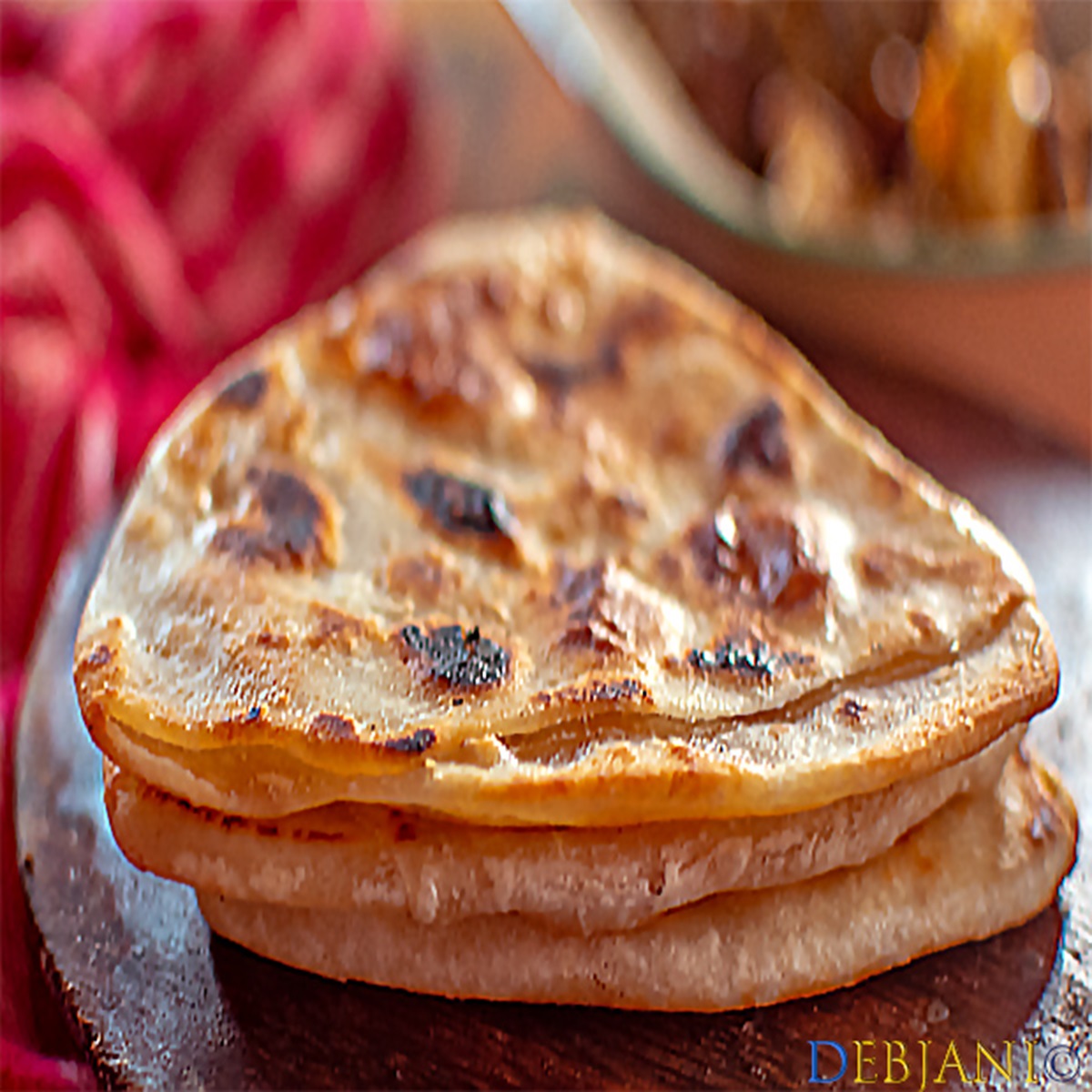
I've realized that in many of my recipes, I've mentioned that a particular dish pairs perfectly with luchi or paratha-and by paratha, I mean the Bengali tinkona porota. But the truth is, I've never actually shared the recipe! Another fun fact is that one of the pictures I used in this post, which I consider to be among my best food photographs, was taken for this very dish, yet I still never wrote about it. Therefore, here is the recipe, so you can make perfect tinkona Bengali porota using maida.
Ingredients needed for Bengali Trikon Porota
A typical Bengali paratha, much like luchi, traditionally uses all-purpose flour (maida), not whole wheat flour (atta). While some people use a combination of both, the term "sada moidar porota" (plain maida paratha) clearly indicates its primary ingredient. In Ghoti families, during fasting days, the phrase "aaj moida hobe" (today we will have maida) often means luchi or paratha made from maida is on the menu.
For a crispy texture, you'll need either oil or ghee. However, a significant shift occurred in Bengali households starting in the early nineties, when refined oil became the preferred cooking medium. This led to a widespread enjoyment of luchi or paratha fried in oil rather than ghee. In fact, many now not only prefer it but truly love it. A distinguishing characteristic of Bengali porota or luchi is its pale color, which is why we call it "sada luchi" or "sada porota" (white luchi or white porota). Finally, salt, a little sugar (optional), and water, and you're ready to make Bengali Porota.
See recipe card for quantities.
How to make Bengali Tinkona Paratha / Porota - Steps
-
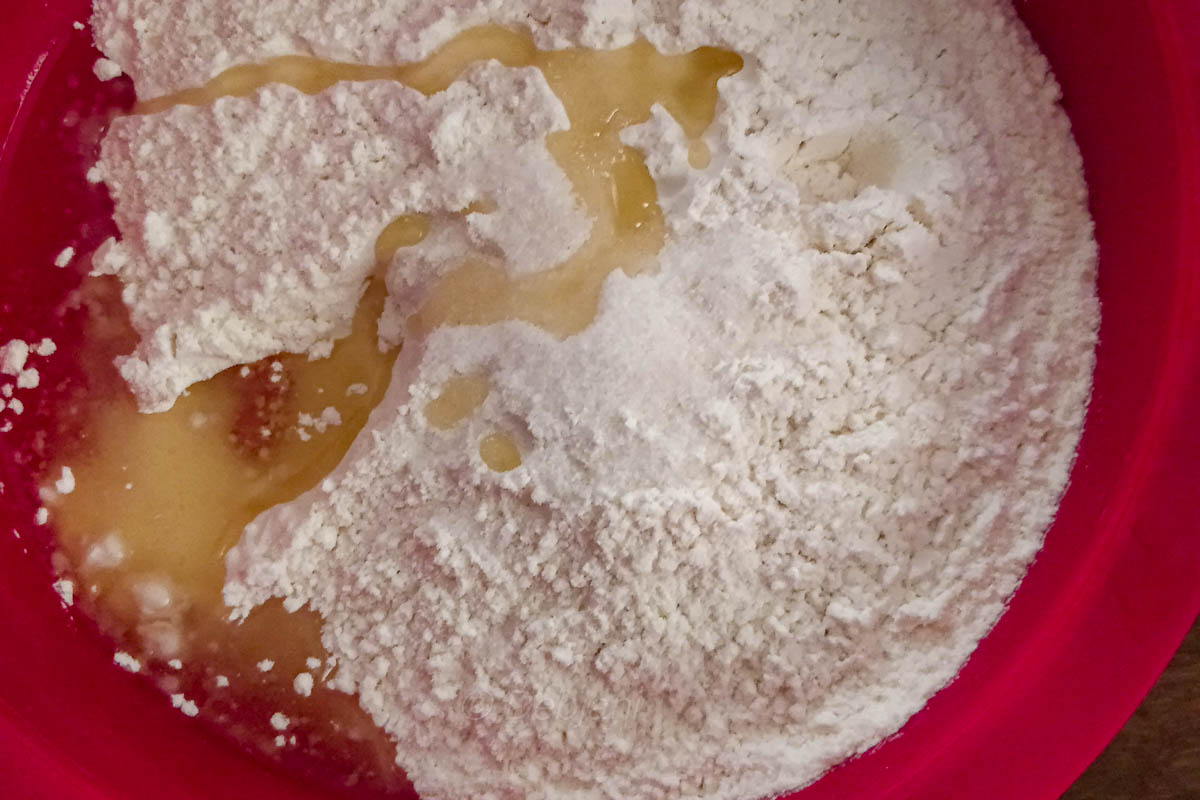
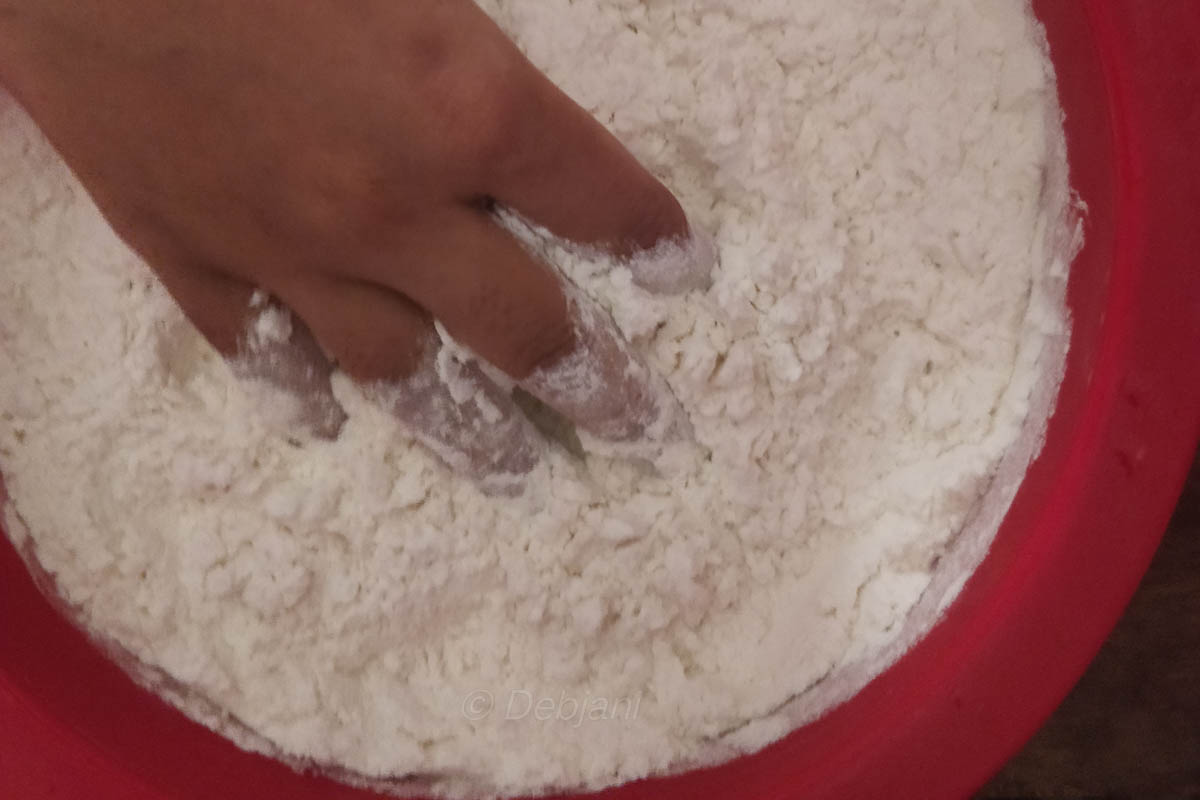
Take 250 grams of all-purpose flour in a bowl. I prefer to sift it to ensure it's free from impurities. Add half a teaspoon of salt, half a teaspoon of sugar (optional), and 3 tablespoons of refined oil to the flour.

-
Now, mix everything together until it forms a crumbly mixture.
-
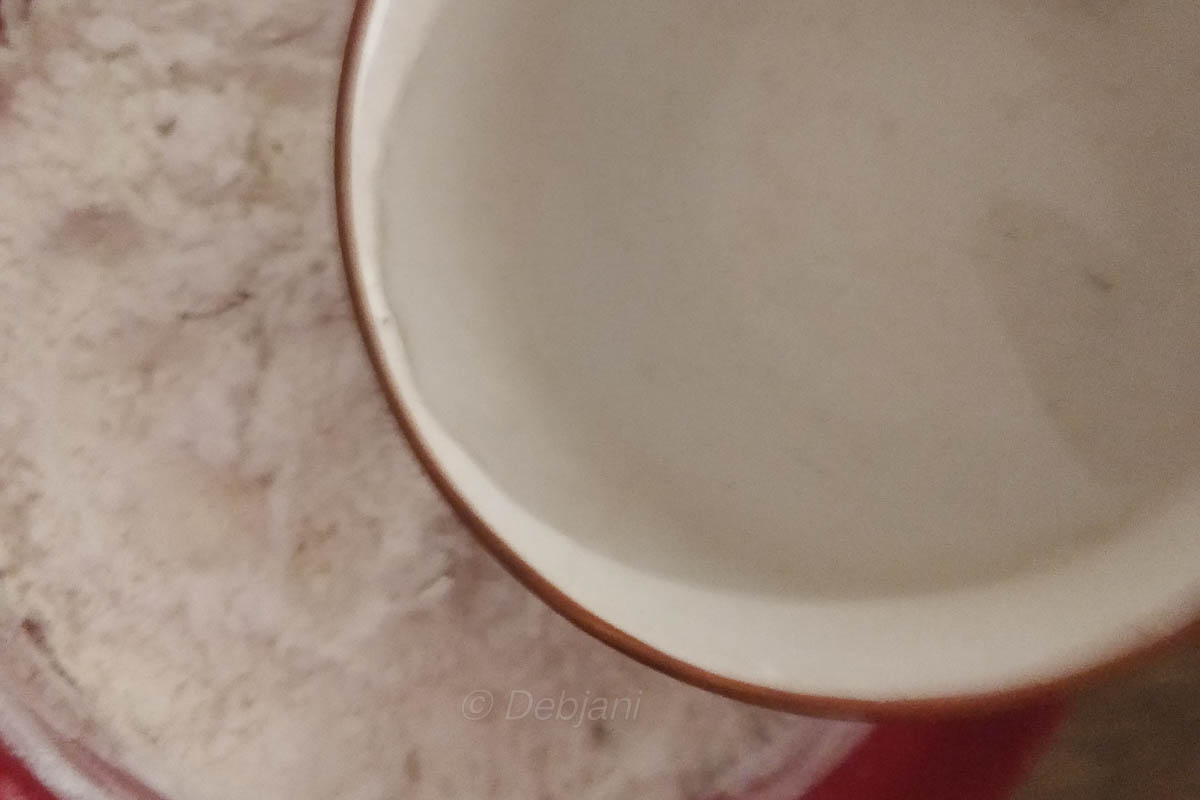
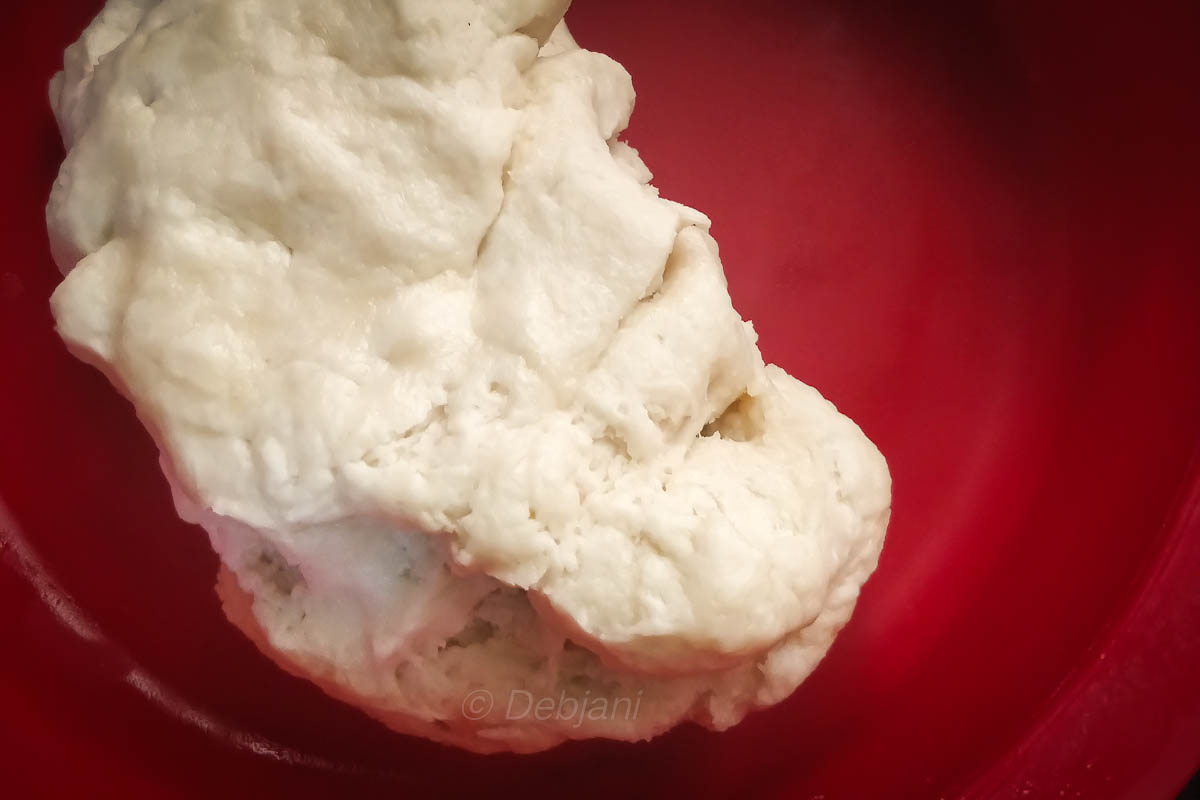
Begin by adding half a cup of water to knead the dough. If needed, add a little more water. The key is to develop gluten by kneading the flour. The dough should not be sticky; it needs to have some elasticity. Knead for at least 5 minutes to achieve the right texture. This skill improves with practice. Just remember, you don't want a runny or sticky dough.
-
Once finished, cover the dough with a wet cloth and let it rest at room temperature for 10 minutes before making the paratha.
-
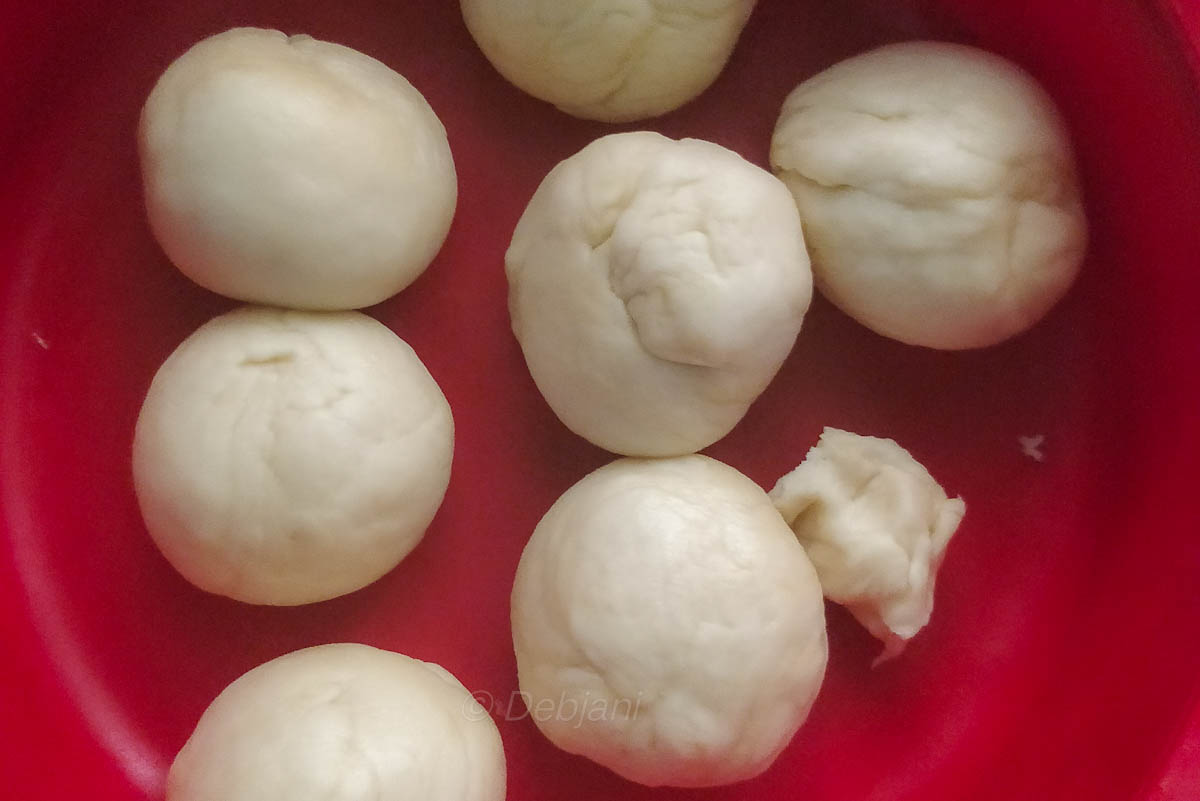
First, divide the dough into 6-7 portions; 250 grams will yield about 6-7 parathas. Shape each portion into a ball.

-
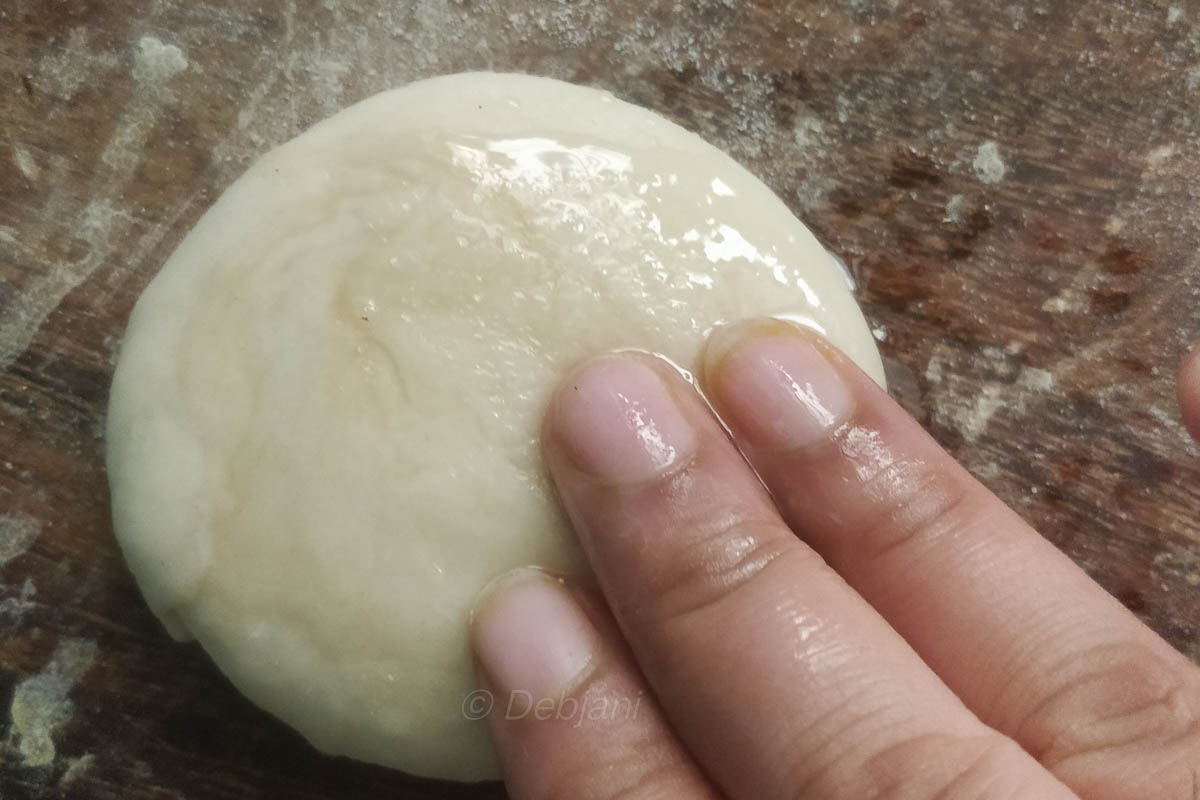
Place the dough on your board or kitchen counter and apply some oil on both sides of the dough before rolling. Do not use raw flour to shape this porota, unlike how you would for North Indian parathas; oil is much better for this recipe.
-
Now, use a rolling pin to roll the dough ball into a flat circle, like a roti.
-
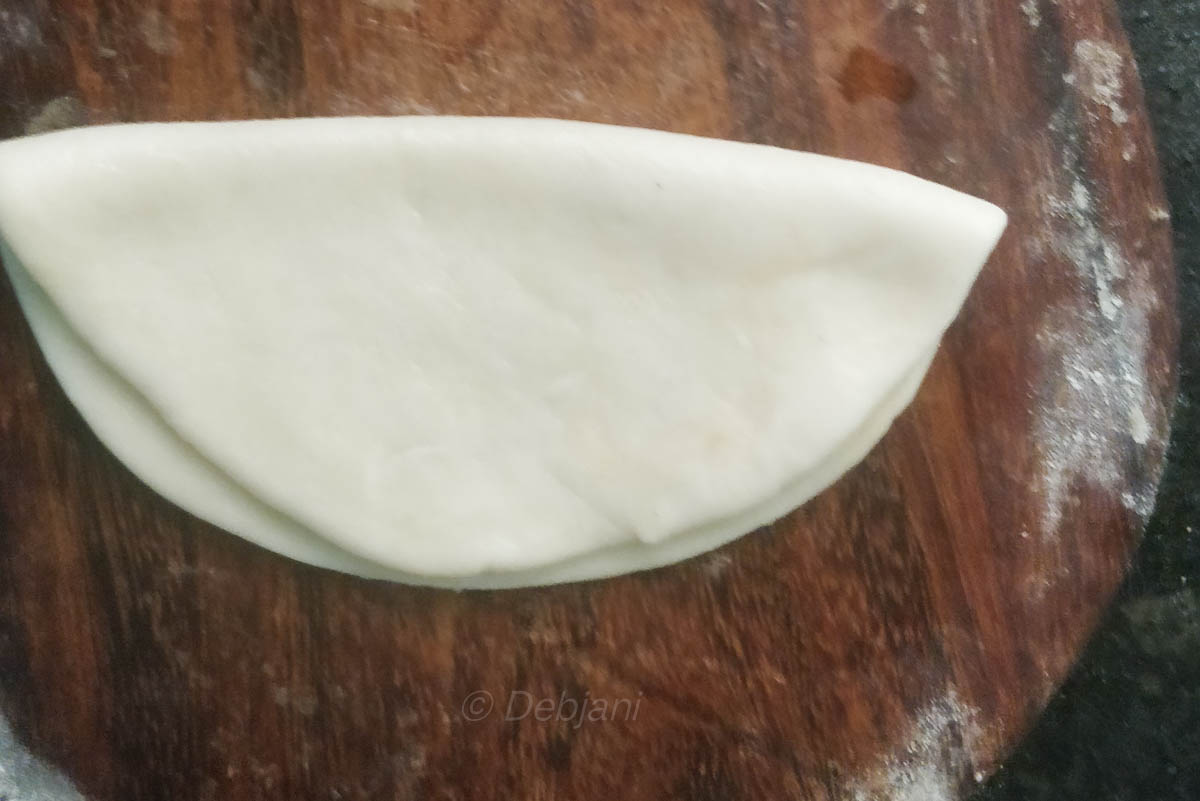
Brush some oil on top of the circle and fold it to create a 'D' shape.
-
Gently roll out the 'D' shape with your rolling pin to make it larger.
-
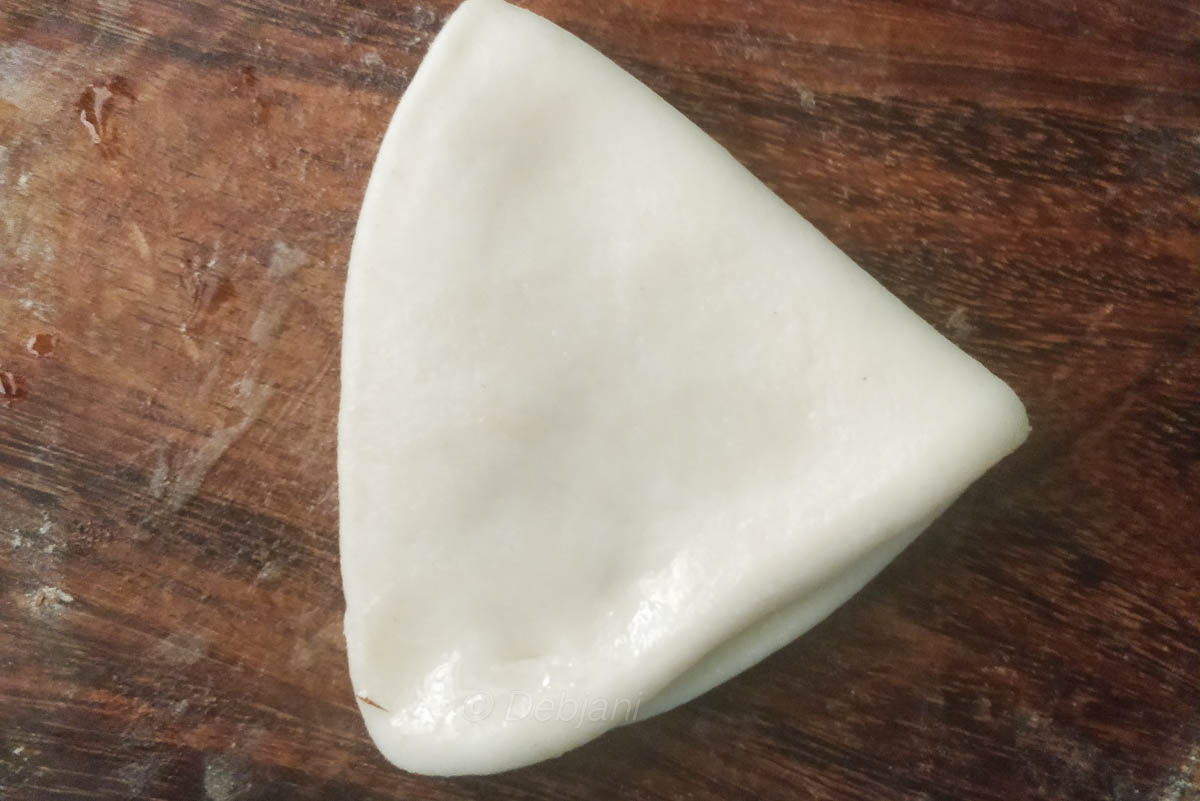
Apply more oil and fold it again to achieve a perfect triangular shape. Adding oil to each layer helps make the porota nice and crispy.
-
Once you've spread it out again, your porota is now shaped.
-
While you're doing this, heat a flat griddle (tawa) over medium heat.
-
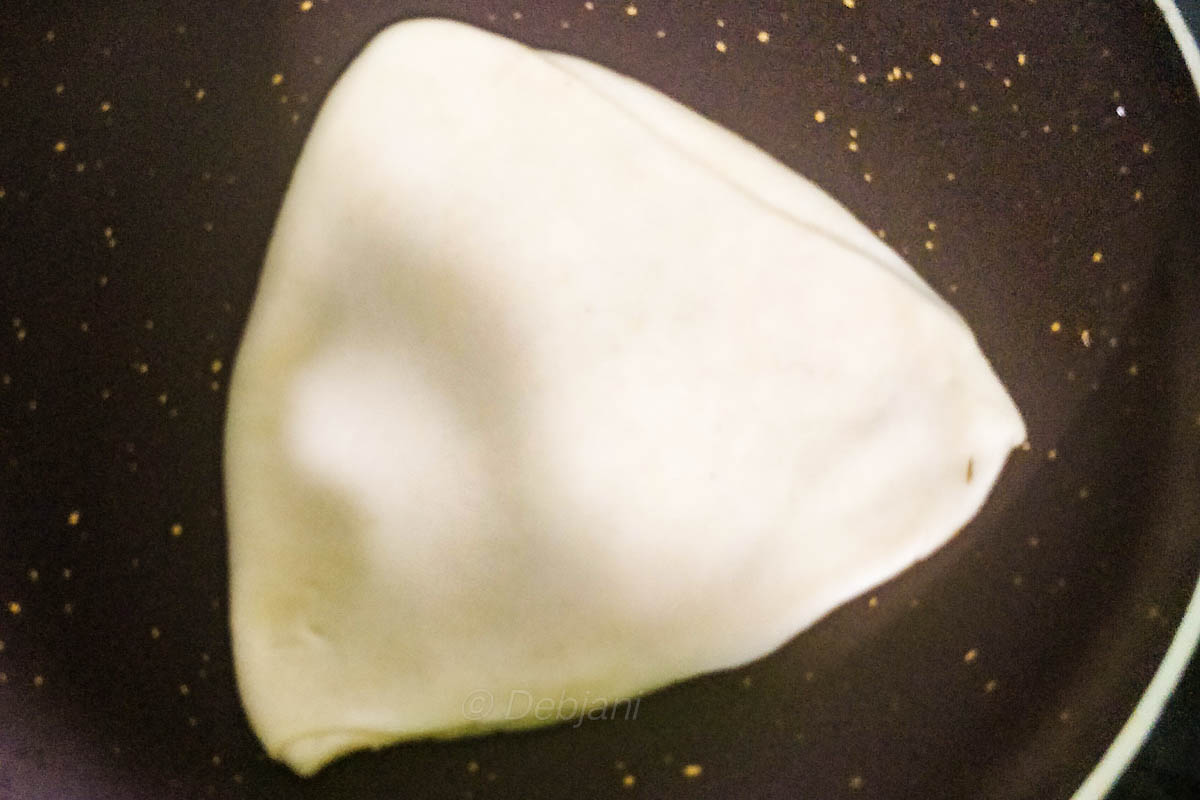
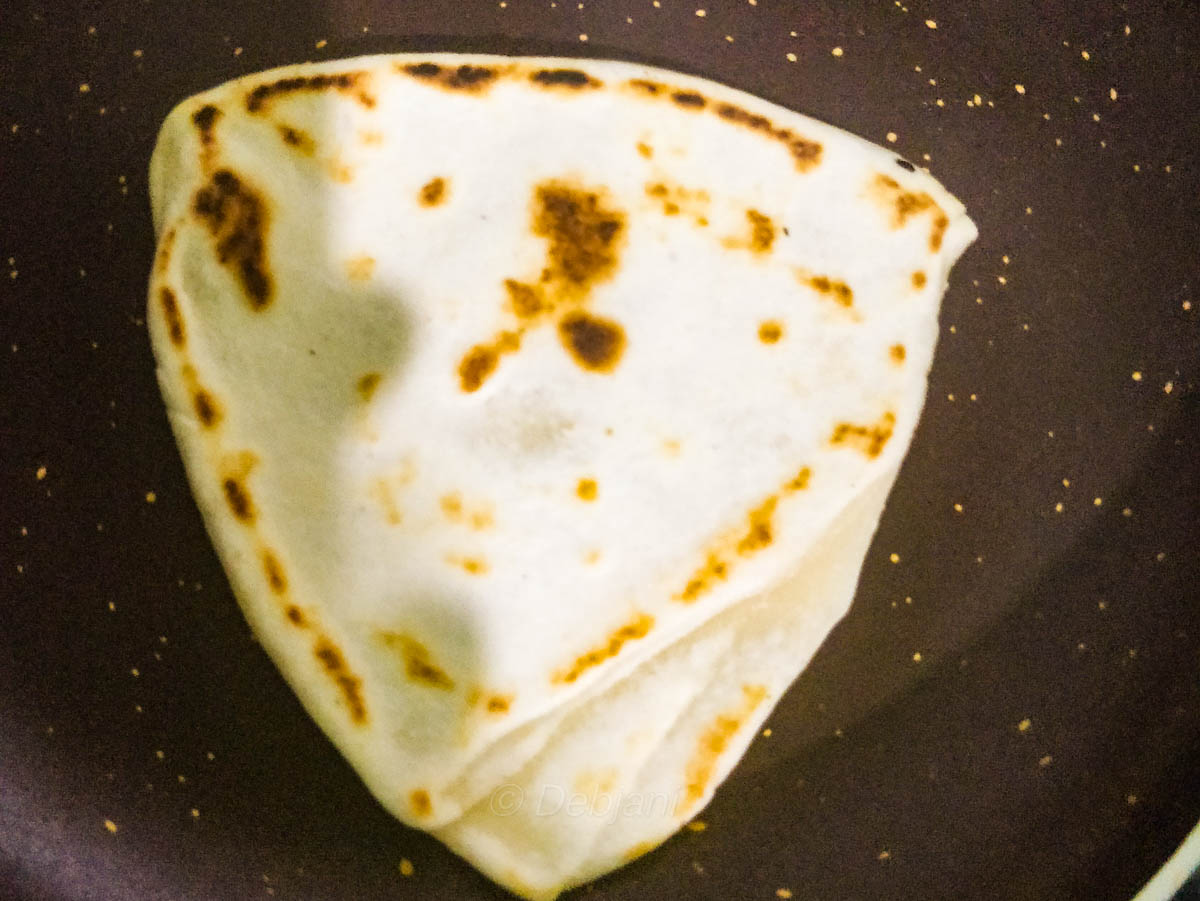
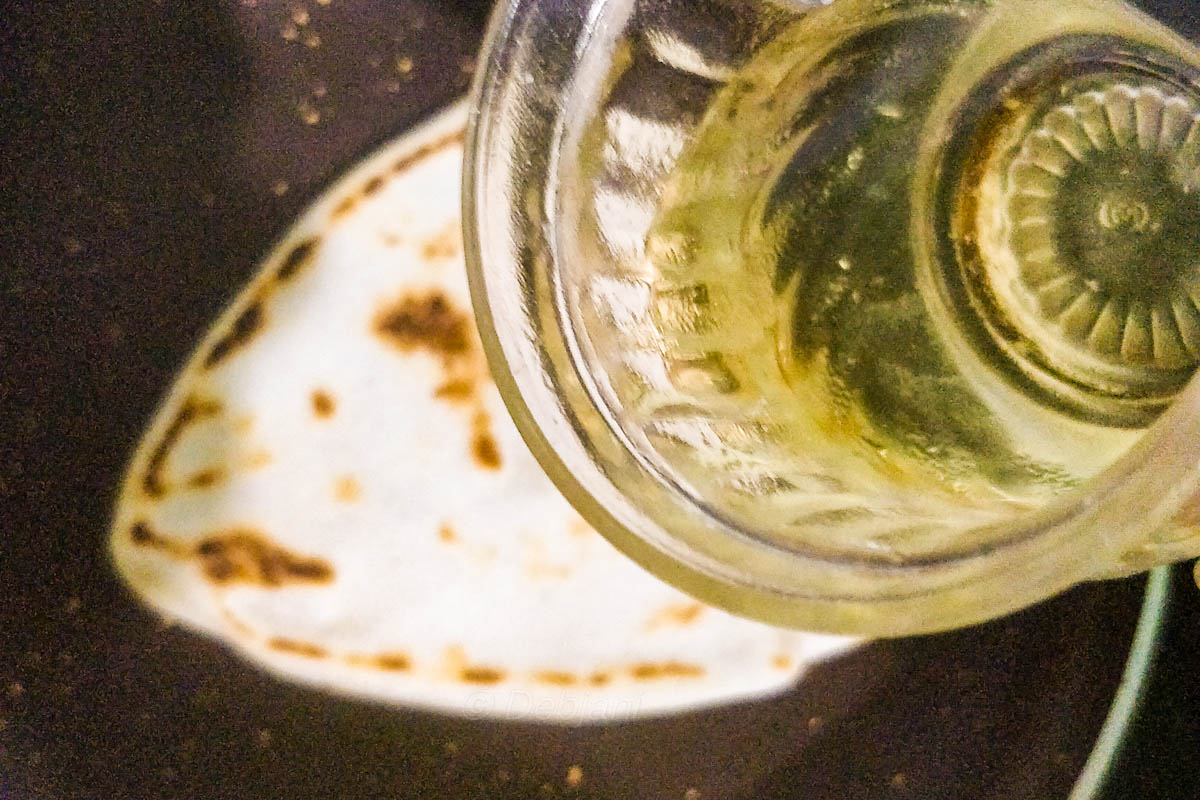
Put the porota on the griddle and roast from both sides.

-
Now add half a tablespoon of refined oil and spread it on one side. Fry it on low heat for about a minute, then flip it to lightly fry the other side and apply half a tablespoon of refined oil.
-
Be careful not to burn the triangular porota; just fry it until lightly golden.

-
It's a good idea to fry one porota at a time, rather than trying to fry three or four together (I also do this when I want to use less oil). You can use a mix of oil and ghee, or you can replace oil completely with ghee.
-
Continue this process for the rest of your porotas.
-
Finally, enjoy your Bengali porota with whatever side dishes you prefer.
Top tip
To make perfect Bengali tinkona porota that are crispy and layered, shallow-fry them one at a time, rather than trying to cook two or three together.
Frequently Asked Questions
It's done that way to create more layers in the flatbread! You can also make them round, square, or rectangular.
This is the usual way we prepare Bengali parathas. Of course, you can use whole-wheat flour or a combination of both.
Certainly! If you prefer less oil, simply use less when rolling out the paratha and also when shallow-frying it.
Related Recipes
Looking for other recipes like this? Try these:
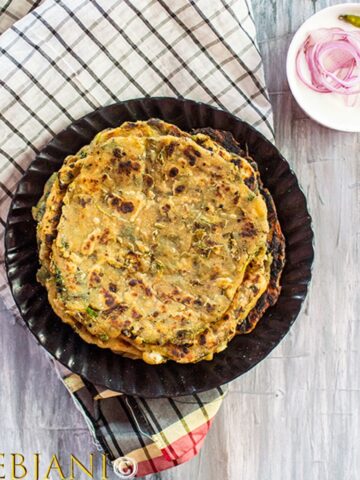
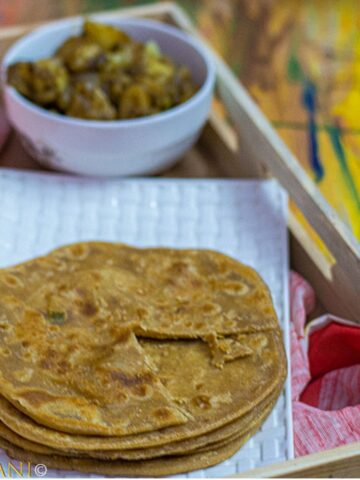

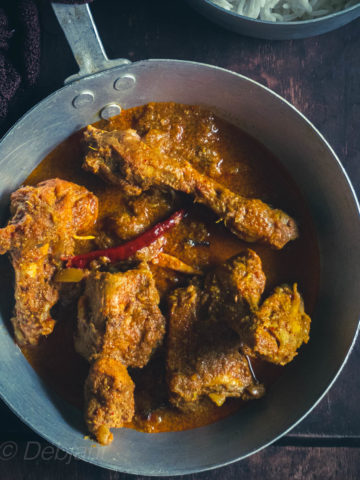
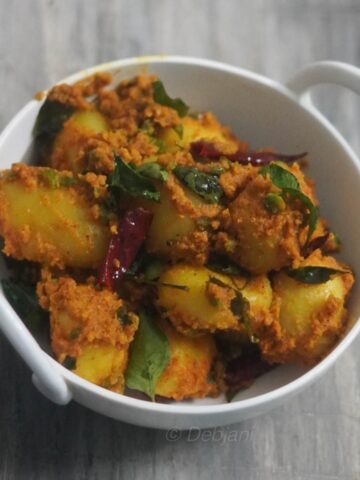
Pairing Tinkona Porota
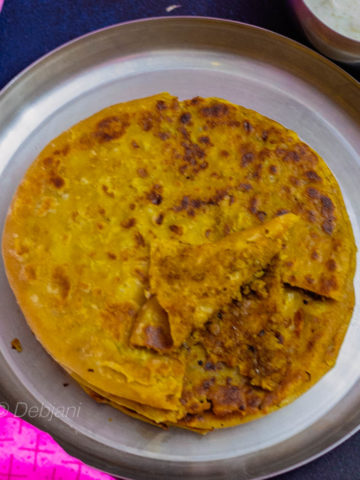
These are my favorite dishes to serve with Bengali Tinkona Porota.
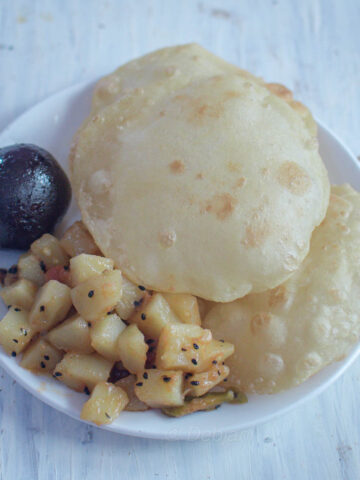
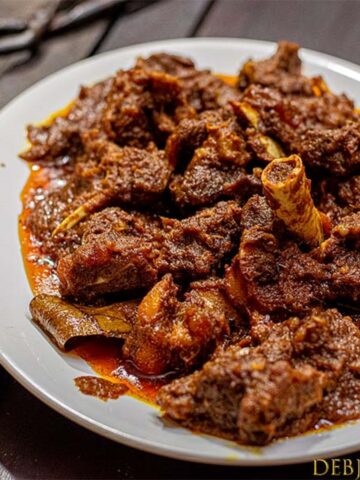
Recipe Card
Tinkona Porota Recipe | Bengali Triangular Paratha
Ingredients
To make the dough
- 250 g All-purpose flour / Maida
- ½ teaspoon salt
- ½ teaspoon sugar optional
- 2 tablespoon refined oil can be substituted with ghee
- ⅔ cup water warm
to roll the paratha
- 1 tablespoon refined oil
To shallow-fry tinkona porota
- 7 tablespoon refined oil can be substituted with ghee

Instructions
- Take 250 grams of all-purpose flour in a bowl. I prefer to sift it to ensure it's free from impurities.
- Next, add half a teaspoon of salt and half a teaspoon of sugar to the flour. Sugar is optional.
- Then, incorporate three tablespoons of refined oil; ghee can be used instead.
- Mix everything together until the mixture resembles coarse crumbs.
- Have two-thirds of a cup of warm water ready for the dough. Begin kneading the dough with half a cup of water, adding a little more if necessary. The key is to knead the flour to develop its gluten. The dough should not be sticky, but rather have some elasticity.
- Knead for at least five minutes to achieve the desired texture. This improves with practice, but remember to avoid a runny or overly sticky dough.
- Once the dough is ready, cover it with a damp cloth and letit rest at room temperature for ten minutes before making the flatbread / paratha.
- Keep some refined oil nearby for when you're making the tinkona porota.
- You will also need a rolling pin and board (Chaki Belun).
- First, divide the dough into 6-7 equal portions; 250 grams of flour will yield about 6-7 Porotas.
- Now, shape each portion into a ball.
- Place the dough on the kitchen counter/ board/ chaki to flatten and shape the paratha. Do not use raw flour for shaping, unlike North Indian parathas. Instead, rub a little oil on both sides of the dough ball and gently press to flatten it.
- Now, use a rolling pin to shape the dough ball into a round roti. Apply oil on the top side.
- Fold the roti in half to create a D-shape. Lightly roll it out with the rolling pin to make this D-shape larger.
- Apply oil again to the top and fold it to form a perfect triangle. Also, apply oil to the other side.
- Oiling each layer will help make the paratha crispy.
- Now, roll it out one last time, and your triangular paratha is shaped and ready.
- Meanwhile, heat a griddle/ tawa over medium heat. Place the paratha on the griddle and cook on low heat for about a minute.
- Then, flip it to shallow-fry the other side.
- Add about half a tablespoon of refined oil to the paratha, spread it around, and fry for another minute.
- Flip it again, add another half tablespoon of oil to the other side, and shallow-fry until the paratha is cooked, not burnt.
- It's best to fry one porota at a time, especially if you're trying to use less oil.
- Continue this method for the rest of your porotas.
- Finally, enjoy your Bengali porotas with your favorite side dishes.
Notes
Substitution & Variations
- For a richer paratha, you can use ghee instead of oil throughout the recipe.
- While this recipe specifically calls for all-purpose flour to maintain its authentic Bengali character, you do have the option to use whole-wheat flour if you prefer.
- Although optional, adding sugar enhances the paratha's flavor.
- Some individuals also knead the dough with milk or yogurt instead of water to achieve a softer texture.
Nutrition
Have you tried the Bengali Tinkona Porota recipe from Debjanir Rannaghar!
Please inform me of your experience, and feel free to send a photo to [email protected]. Additionally, you can find me on various social media platforms such as Instagram, YouTube, Facebook, Pinterest, Google News, X, and Thread. Don't forget to use the hashtag #debjanirrannaghar when sharing your attempts at my recipes or if you have any questions or recipe requests.
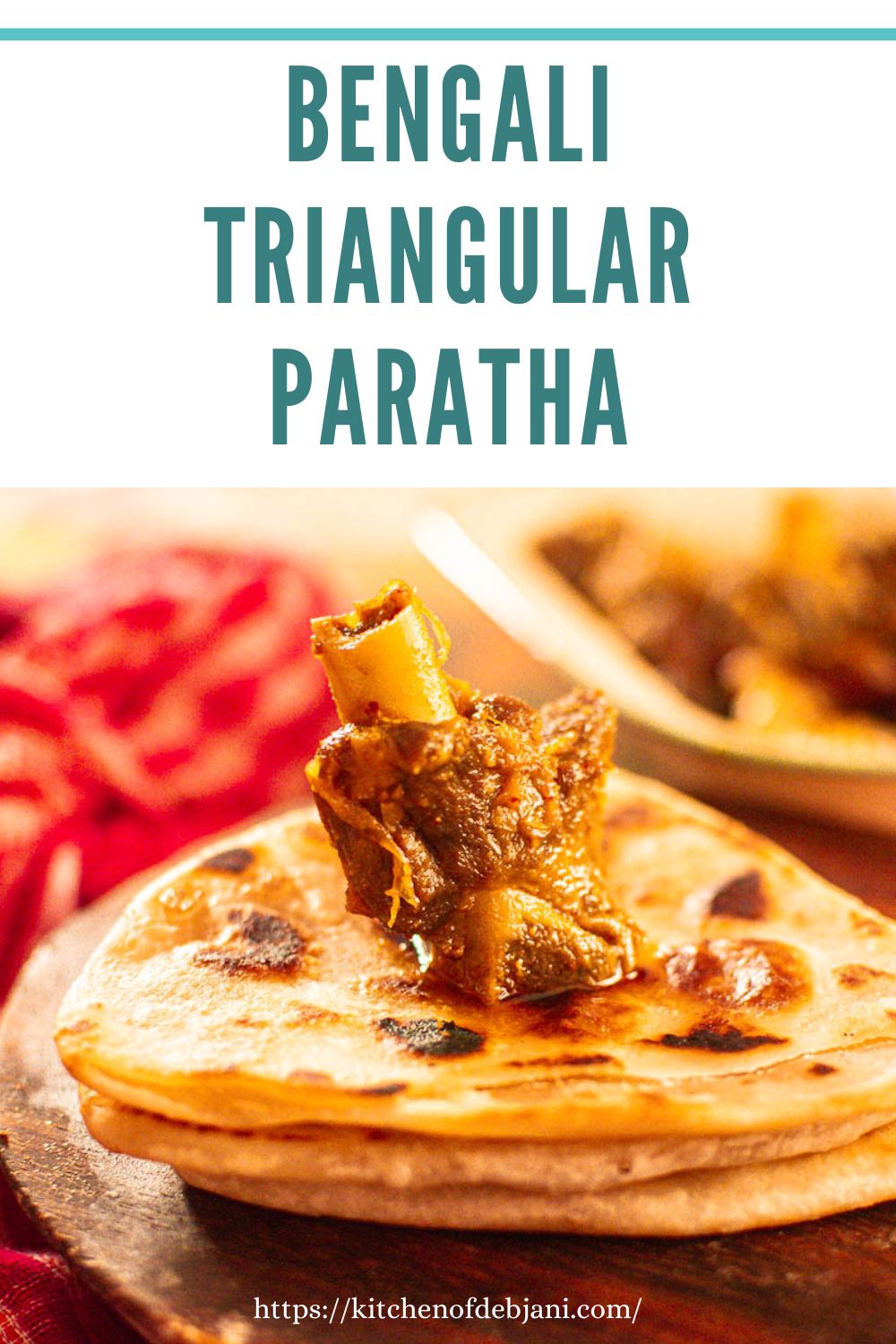
Here's the Bengali Triangular Paratha / Trikon Porota recipe Pin for your Pinterest Board

About Debjani Chatterjee Alam
I am Debjani Chatterjee Alam. A CSR specialist by profession and a food writer, food blogger, and food photographer as well. I live in Kolkata along with my Husband Mehebub who is an architect by profession, my daughter Pasta, and also my dog daughters Coffee and Luchi.

Leave a Reply