

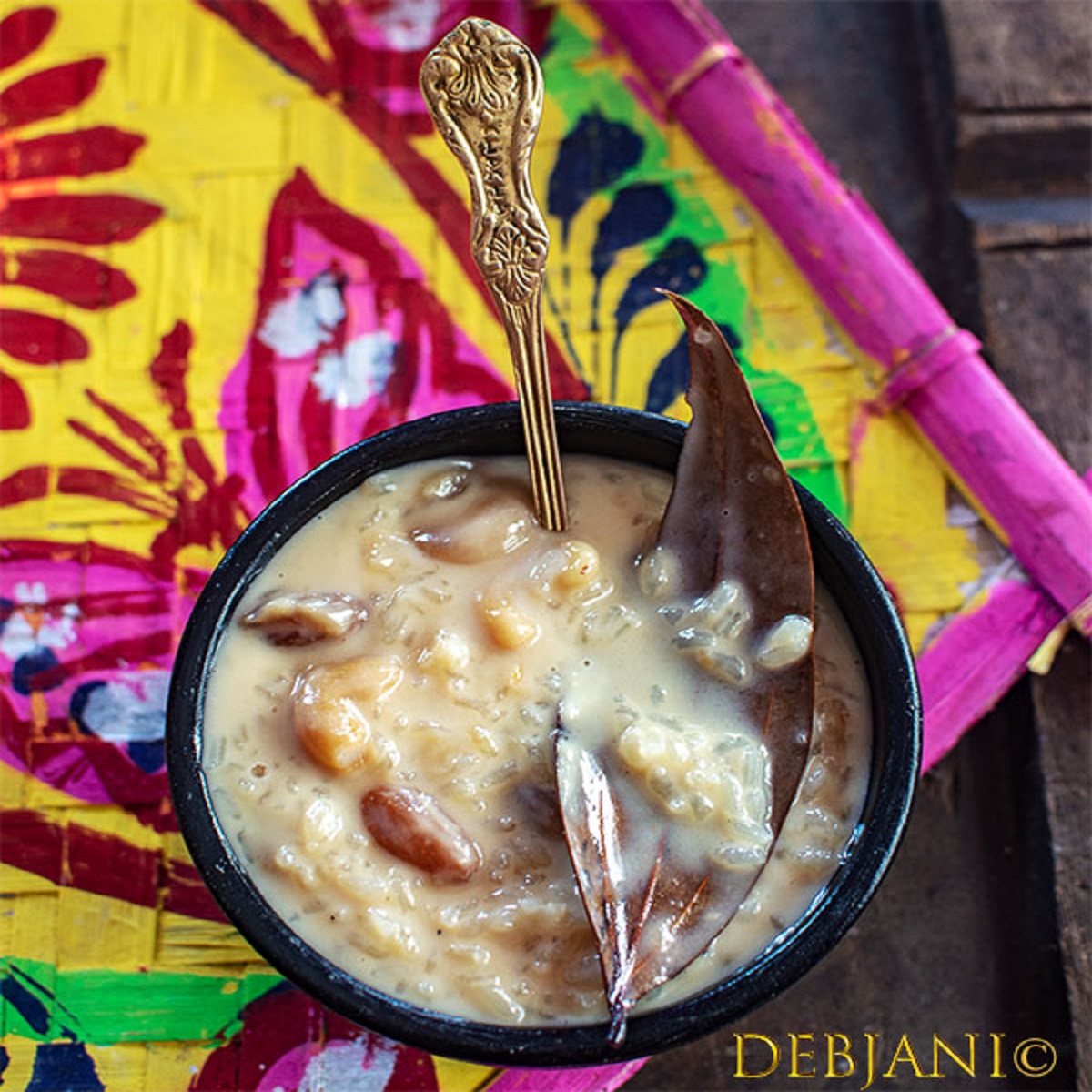
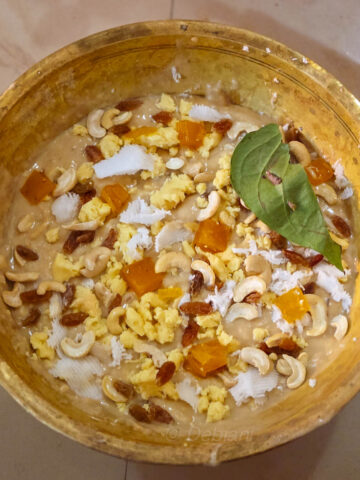
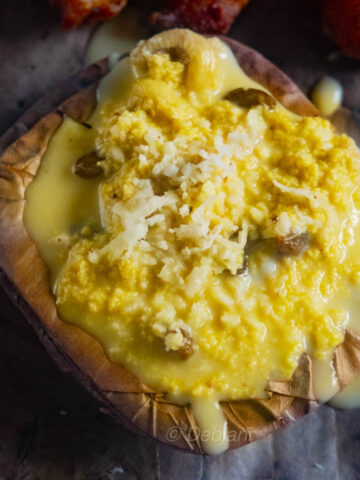
Chaler Payesh is a signature Bengali slow-cooked rice pudding prepared with fragrant Gobindobhog Rice, Milk, and also Sugar and also dry-fruits.
Jump to:
Debjani's Note
"Papa, Momma is making Chaler Payesh!" My five-year-old's happy voice brought a smile to my face. She absolutely loves Chaler Payesh, though at home, we simply call this sweet dish "Payesh." It was Soptomi, and just like every year, I was preparing a large batch of Payesh. I felt relaxed as I cooked it with great care and affection, knowing this dish truly benefits from slow cooking.
Origin of Chaler Payesh
For any Bengali, the name Chaler Payesh immediately brings a special feeling. This same emotion is shared when it's called Kheer, Payasam, Kiru, Payox, Dudhpak, or even Rice Pudding in other languages and cultures. It's a simple, this sweet treat made with rice and milk that truly needs no introduction.
In this post, I'm focusing specifically on the dessert made with rice and milk, rather than other types of Kheer. More precisely, I'm talking about the Bengali version of this dish, Chaler Payesh. While we also make Payesh with other ingredients like semolina (Suji), vermicelli (Seviyan or Semui), and even vegetables and fruits, Chaler Payesh seems to be the most classic and original of all Payesh varieties.
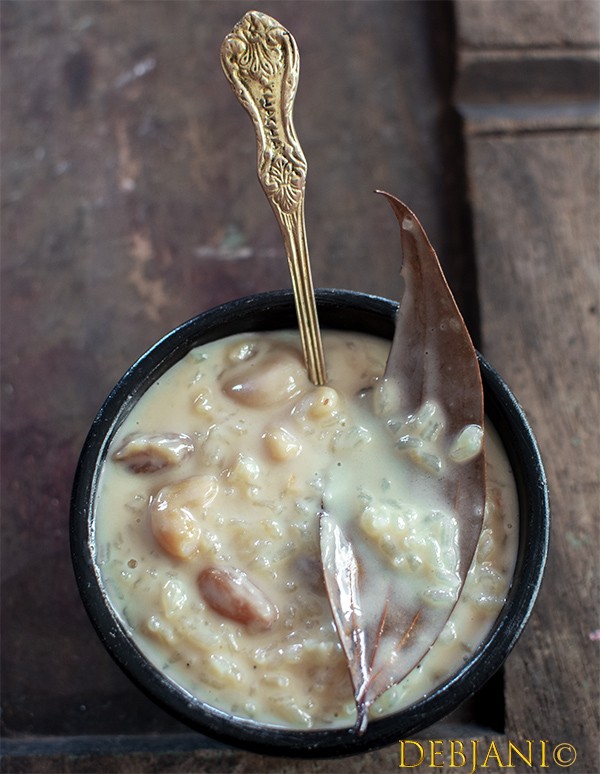
Payasam, a name derived from the Sanskrit word for "milk," is an Indian dessert. The Oxford dictionary defines it as "An Indian dessert consisting of rice or (in later use) vermicelli, boiled in milk or coconut milk, flavored with cardamom, and often containing groundnuts."
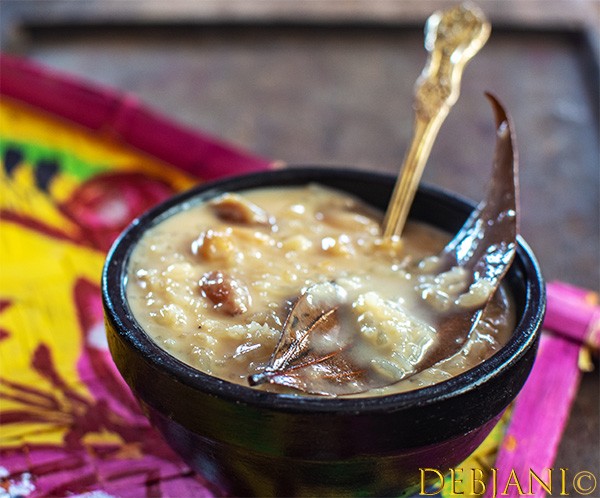
Rice, a staple in India since ancient times, even predating European influence, is a key ingredient. Rice Kheer is even mentioned in Ayurveda. The combination of rice and milk is undeniably beneficial. This dish has been offered as "Bhog" in temples for over a thousand years. What truly sets it apart from typical rice pudding is the unique addition of spices like bay leaf and cardamom. Indian celebrations such as Annaprashana, Kheer Chatai, or Akika would simply not be complete without Kheer or Payesh.
My Poromanno Memories
What else but a birthday? Whether it was a small gathering or a big party, Payesh was, and still is, a must-have. This tradition is quite common in Bengali homes; our birthdays just aren't complete without my mother's homemade Payesh. Of course, my Maa makes wonderful Payesh, but it was Mammam, my late aunt, whose Payesh-making skills truly fascinated me. I can still picture her sitting on the floor, patiently cooking Payesh over a traditional earthen stove. It would take her a long time to prepare this delicious dish. In our house, the first serving always went to the deities.
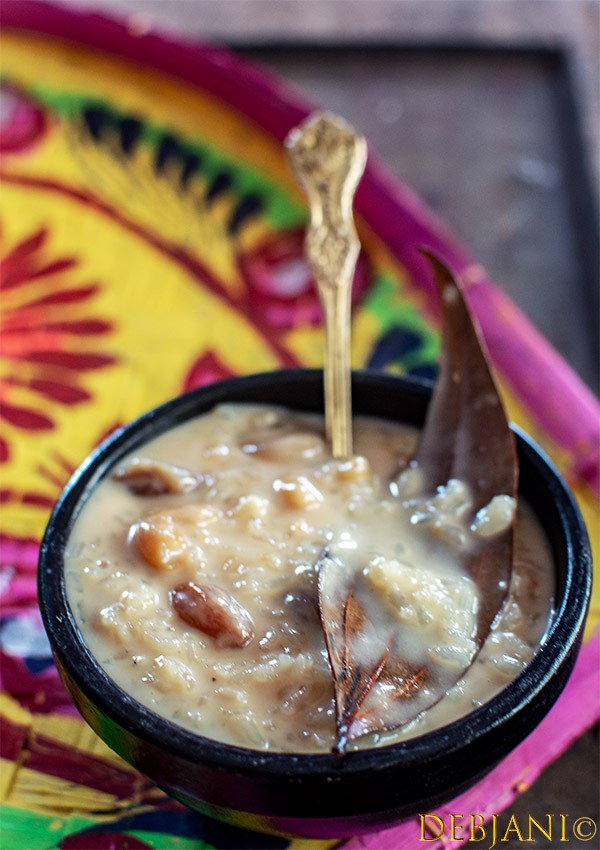
Her methods for making Payesh were unique and, to my mind, the best. She believed that "Chaler Payesh" shouldn't look pale white; instead, it should have a pinkish-white hue. I now realize she was absolutely right! Milk that has been cooked for hours naturally loses its stark white color, and that's what makes it special. Mammam would use Batasha (eggless Meringue) and Michiri/Misri (sugar candy) instead of regular sugar to enhance the flavor. Finally, she had a strong preference against garnishing Payesh with uncooked raisins and nuts. Mammam always said that the slower you cook it, the richer the Payesh will be!
You might be wondering how Payesh can cook for an hour with a consistent amount of milk. The secret is in the recipe! Read on.
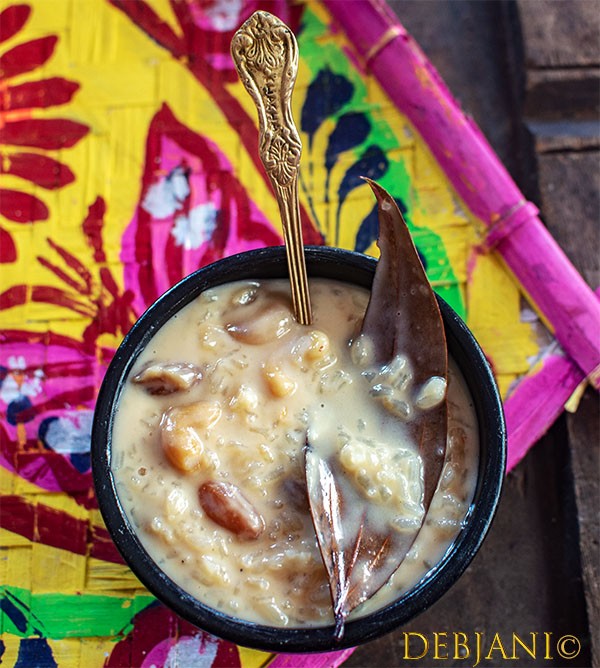
I should mention, though I've seen many people cook Payesh and am told mine is quite good, I'm not a huge fan of it myself-unless it's Gurer Payesh, made with jaggery. While I follow my aunt's traditional method for Chaler Payesh, I also add condensed milk to enhance the flavor and richness.
Recipe Card
Chaler Payesh | Bengali Rice Kheer | Poromanno
Ingredients
- 1 Litre Full Cream Milk
- 100 ml Condensed Milk
- 1 tablespoon Ghee
- 100 g Gobindobhog Rice
- 50 g Cashewnut
- 50 g Raisin
- 75 g Batasha
- 75 g Sugar
- 2 Bay Leaf
- 8 Green Cardamom
- 2 Black Cardamom
- 1 pinch Camphor optional
- 1 Litre Water

Instructions

- Soak the Rice, Cashew Nuts, and Raisins separately in water.
- Make a coarse powder of half of the Black and half of the Green Cardamom.
- Take Milk along with half of the water in a deep-bottom vessel and start cooking over a low flame.
- Add Ghee, followed by whole Green and Black Cardamom, as well as a Bay leaf.
- You need to cook until the milk reduces to ⅔.
- Add Condensed milk and give a thorough mix.
- Now add the soaked rice and cook over a low flame for 5-6 minutes by covering the vessel with a lid.
- At this point, add half of the remaining water and mix with a ladle.
- Now add the soaked Raisins and also the cashew nuts.
- Keep cooking over the low flame until the rice is cooked properly.
- Also, add the remaining hot water in between.
- Once the rice is cooked properly, add Batasha as well as Sugar and give a mix.
- From this point onwards, you need to stir more frequently. This is to avoid burning of the Payesh.
- Once the Payesh reached the desired consistency, add powdered cardamom and also Camphor and lightly mix.
- Switch the flame off.
- Serve Chaler Payesh in room temperature or after refrigerating for an hour or so.

Notes
- Ghee, though optional, is highly recommended as it makes the Payesh much richer and also helps prevent the milk from burning.
- Since I used condensed milk, which is already sweet, I reduced the amount of sugar. If you are not using condensed milk, please add more sugar to your liking.
- If batasha is not available, you can simply use the same amount of sugar instead.
- Water is a key ingredient in this recipe. The longer you boil the milk, the better it will taste. Adding water increases the cooking time, which in turn enhances the flavor.
Nutrition
Dessert/ Sweet dish recipes from Debjanir Rannaghar
- Choshir Payesh (also Known as Chushir Payesh
- Narkel Chapa | Narkel Tokti | Bengali Coconut Sondesh
- Bengali Mishti Doi | Laal Doi
- Gajar Ka Halwa (also known as Carrot Halwa)
- Kolar Bora (Bengali Banana Fritters)
- Besan Laddu | Besan Ladoo | Besan Ka Ladoo
- Taler Patishapta Pitha
- Kesar Peda (also known as Saffron Peda)
- Double Chocolate Rum Balls (also known as Rum Balls)
Traditional Bengali Recipes
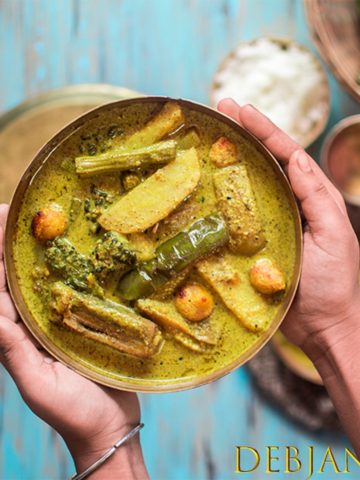
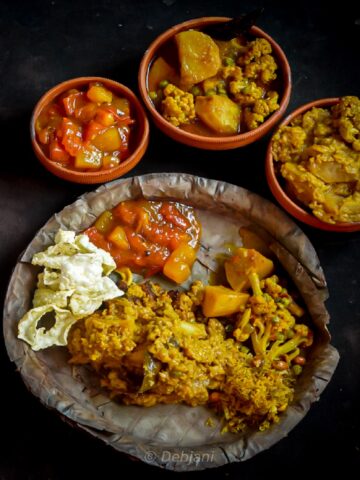
Have you tried the Chaler Payesh Recipe from Debjanir Rannaghar!
Please inform me of your experience, and feel free to send a photo to [email protected]. Additionally, you can find me on various social media platforms such as Instagram, YouTube, Facebook, Pinterest, Google News, X, and Thread. Don't forget to use the hashtag #debjanirrannaghar when sharing your attempts at my recipes or if you have any questions or recipe requests.


About Debjani Chatterjee Alam
I am Debjani Chatterjee Alam. A CSR specialist by profession and a food writer, food blogger, and food photographer as well. I live in Kolkata along with my Husband Mehebub who is an architect by profession, my daughter Pasta, and also my dog daughters Coffee and Luchi.



Leave a Reply